
What we know shapes what we can do: Psychosocial adaptation to environmental change in Zimbabwe
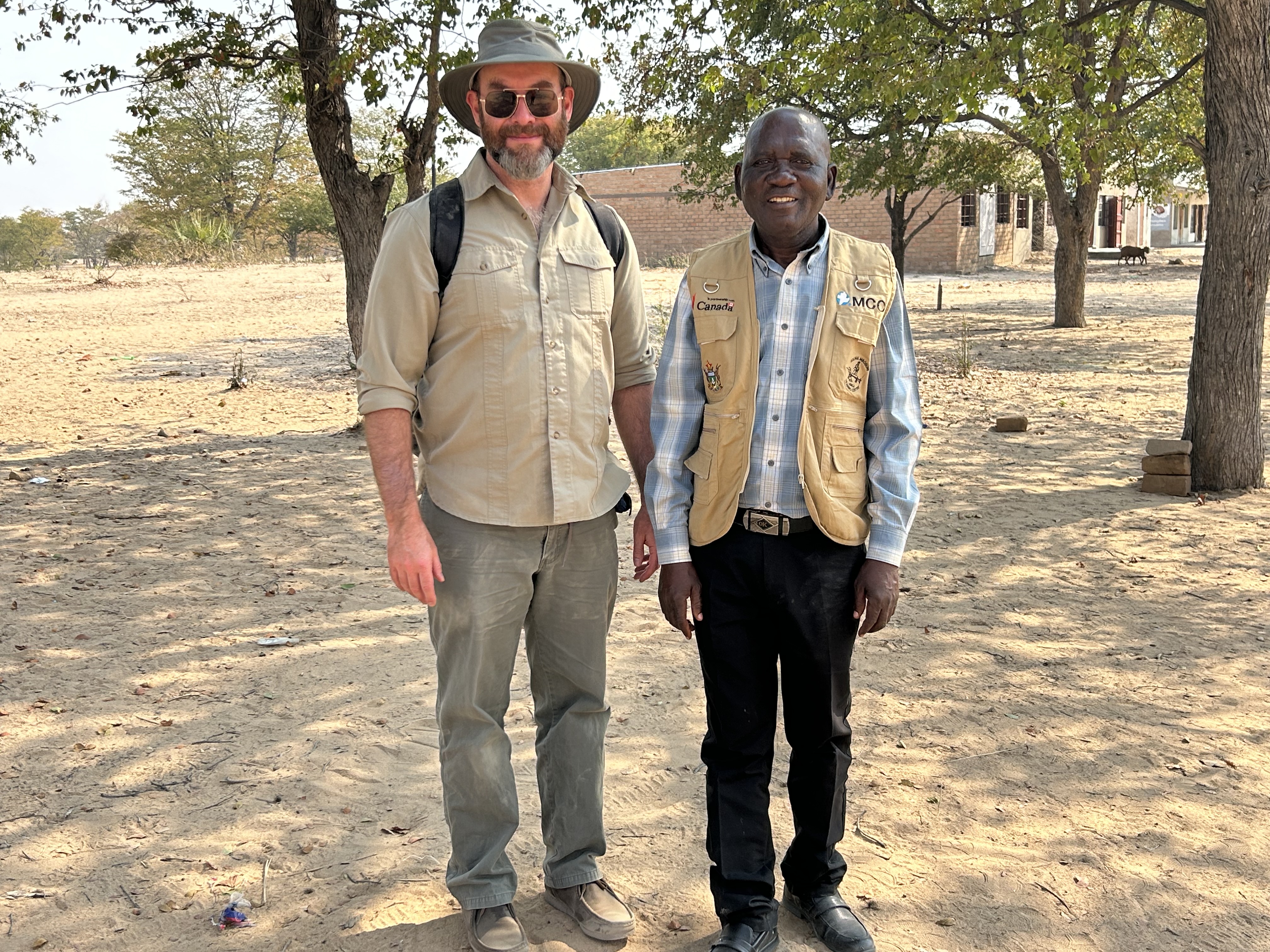
By Jobb Dixon Arnold, Ph.D., Associate Professor of Psychology and Conflict Resolution Studies
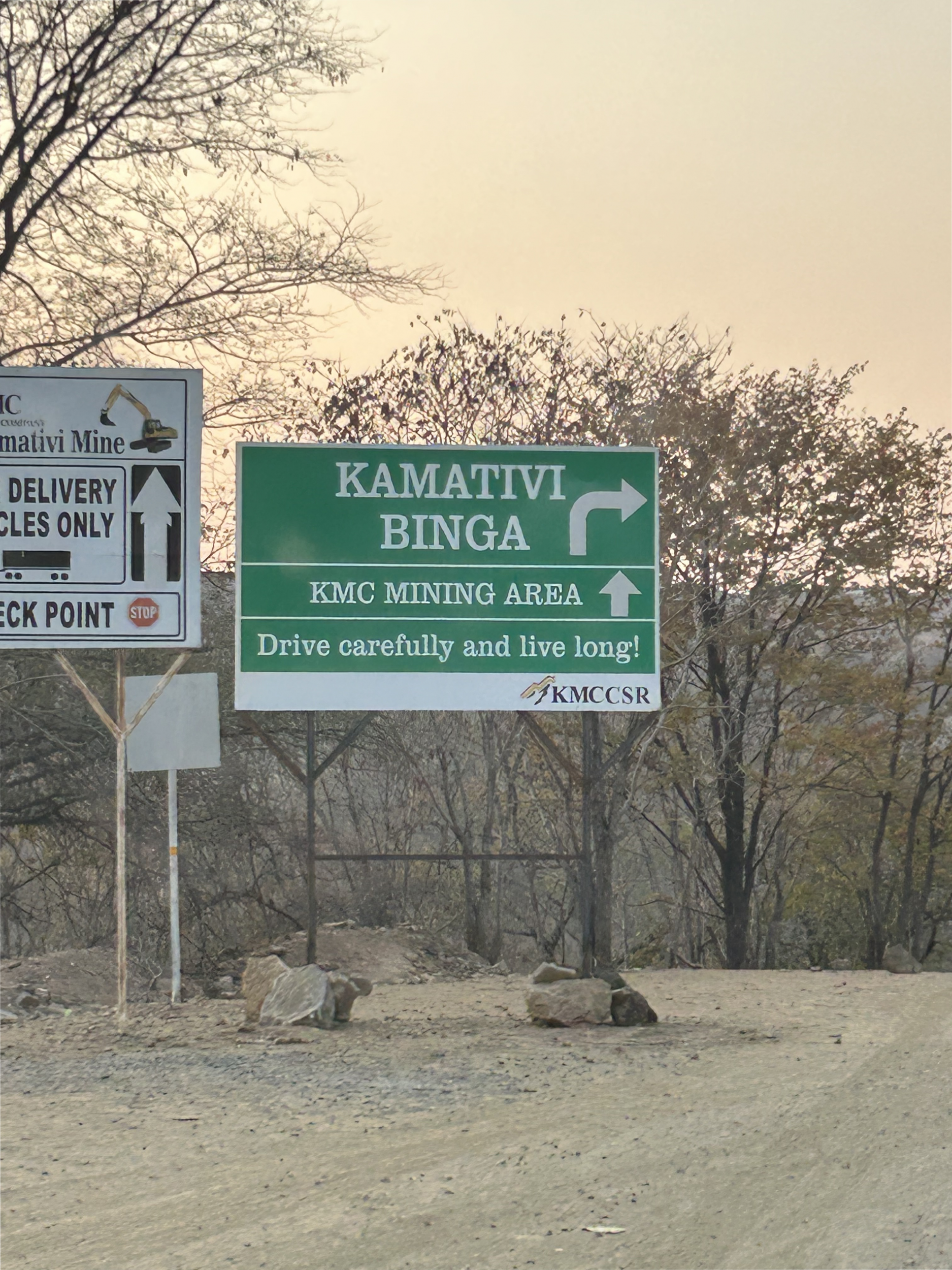 Photo by Jobb Arnold.
Zimbabwe was hit hard by extreme drought in 2024, just as LINCZ project activities were getting underway. The drought brought severe heat waves and the lowest recorded rainfall in more than 40 years, which prompted the government to declare a national state of emergency. During early research visits to Binga, Gwanda, and Mwenezi districts, it became clear that the impacts of the drought were devastating.
Travelling between project sites, the absence of water in rivers and streams was striking. Many communities were relying on boreholes, often located several kilometres away, as their primary source of water. Most often it was women and girls who would leave before sunrise to fetch water and carry it back for their families to drink and to be used in essential household tasks, like cooking. Without reliable access to water, crops could not grow, and government food assistance had become essential for helping families through increasingly severe periods of scarcity. This forced people to find alternative ways of earning small amounts of money, either through cutting and selling firewood, or if they were able, to resell clothing items in the local markets. The reality was, the options were extremely slim.
While the circumstances of the severe 2024 drought made almost all aspects of everyday life difficult, it was clear that communities continue to respond to these challenges in practical and determined ways. The MCC Zimbabwe team and LINCZ implementation partners worked closely alongside community members to address immediate drought-related needs, while also taking concrete steps to implement the infrastructure and trainings that provide the foundation for the project's longer-term climate change adaptation efforts.
My role in the LINCZ project has been to engage alongside our MCC Zimbabwe colleagues and community-based partners in an effort to better understand, evaluate and shape our interventions in light of the social and psychological impacts of extreme environmental stress. The shared goals and commitment to making a practical impact characterized my time in the field, and my work has benefited a great deal by learning about the cultural centrality of different land-based knowledge and skills that already exist in each region. My hope is that, by putting these local practices into dialogue with broader cross-cultural frameworks of psycho-social adaptation, my contribution can help inform how partners and community groups work across levels of intervention, and provide some suggestions about how to identify and navigate potential sources of tension.
There is no adequate way to fully assess or quantify how severe drought affects an individual's mental wellbeing, or the relationships within families or across communities. However, both experience and observation across different contexts suggest that people and communities are more likely to stay healthy in the face of environmental and social stresses when certain conditions are in place.
For instance, successful adaptation to challenging circumstances is more likely when:
- People have a clear sense of what is contributing to the stress they are facing;
- People can access the resources they need to navigate these challenges; and
- People are able to draw on sources of meaning in their lives, such as spiritual connection, a sense of belonging, and important relationships.
Simply put, these conditions help provide people with a sense of social and psychological coherence. For over 50 years, psychological and public health research across diverse contexts has consistently shown that these conditions are strong predictors of whether people are able to remain healthy while navigating difficult personal experiences, including periods of rapid social and environmental change.
These themes emerged in conversations with farmers and community partners engaged in land-based climate interventions within the LINCZ project in all three regions. I have also deepened my understanding of these different dimensions of coherence in rural Zimbabwe through my own interviews with farmers, as well as through collaborative engagement with the research and practice-based work of my colleagues.
This collaborative learning has taken shape across diverse settings of both research and practice. For example, a LINCZ panel discussion at the "Foundations for the Future of Rural" conference, held at Brandon University in Manitoba, in September 2025, brought together diverse perspectives on rural futures. Similarly, LINCZ partner gatherings in Zimbabwe provide an important forum for discussing the practical implications of the research with regional implementing partners. Gatherings such as these have highlighted the value of bringing together people with different experiences, perspectives, and expertise around shared values and common goals.
Finding interfaces on the land: Communion, rainmaking, and science
As someone who is neither a climate scientist nor a Zimbabwean grounded in local land-based knowledge, I have tried to approach my LINCZ research with openness, drawing on my past experience in comparative and cross-cultural psychological research. I have set out to ask what has been working for people when it comes to social and environmental adaptation, and what people need in order to adapt in healthy, peaceful, and sustainable ways.
I often think about this question in terms of how different elements connect at specific interfaces. An interface is a place where different things meet, but also where they connect in ways that make new relationships and possibilities visible. The word interface combines the Latin inter, meaning "between" or "among," and face, meaning "face" or "form." Whether we are thinking about how an individual's psychology interfaces with the outside world, a face-to-face meeting between people from different cultures, how measurements of rainfall are turned into data and uploaded through a computer interface, or how different ways of knowing intersect in their understandings of the divine, adaptation requires meaningful interfaces within complex situations.
My LINCZ colleagues have helped me better understand the importance of different ways of knowing and how these shape people's relationships with land and community in rural Zimbabwe. I have deeply appreciated this guidance, as the impacts of climate change in Zimbabwe are not as straightforward as I had initially imagined, whether in terms of climate science or traditional knowledge. The more I have learned from participating farmers, community partners, and research collaborators, the more I have been drawn to the ways they engage the complexities of a changing environment, how these changes affect them psychologically and socially, and how this shapes everyday life.
From CMU's LINCZ climate scientist, Dr. Natalia Wiederkehr, I have learned that recent low rainfall in Zimbabwe cannot, on its own, be taken as clear evidence of climate change-driven drought. There are many additional variables involved in such extreme weather events, many of which can only be understood in relation to long-term patterns. While farmers experience drought in immediate and localized ways, these experiences do not always align neatly with average precipitation data over a 25-year period. Extreme events such as drought are therefore not always attributable to climate change in a direct sense, but are often shaped by longer-term climate cycles such as El Niño and La Niña.
Through conversations with elders and other community members in the project districts, I heard perspectives anchored in time-honoured traditions that add further nuance to these same questions about drought. These land-based perspectives differ from time-series data but are, I would argue, equally important for understanding the changes underway. They may be especially important for understanding how people are adapting psychologically and what these changes mean within communities.
Traditional ways of knowing about rainfall in Zimbabwe are deeply grounded in the spiritual and cultural worldviews of people who are intimately connected to the lands they and their ancestors have long called home. Within these worldviews, interpretations of drought are not singular; rather, they reflect a range of belief systems that can overlap and sometimes exist in tension.
For some members of Christian communities, the lack of rain is understood as a consequence of human sinfulness. One person explained, "The reason why rainfall patterns have changed is probably because we are sinning against God." For some who follow traditional religious practices, including ancestor veneration, erratic rainfall is attributed to a failure to carry out rainmaking rituals. As one farmer shared, "We are now experiencing the effects [of] not obeying or not following the procedures of rainmaking ceremonies. That's why rainfall is now not coming."
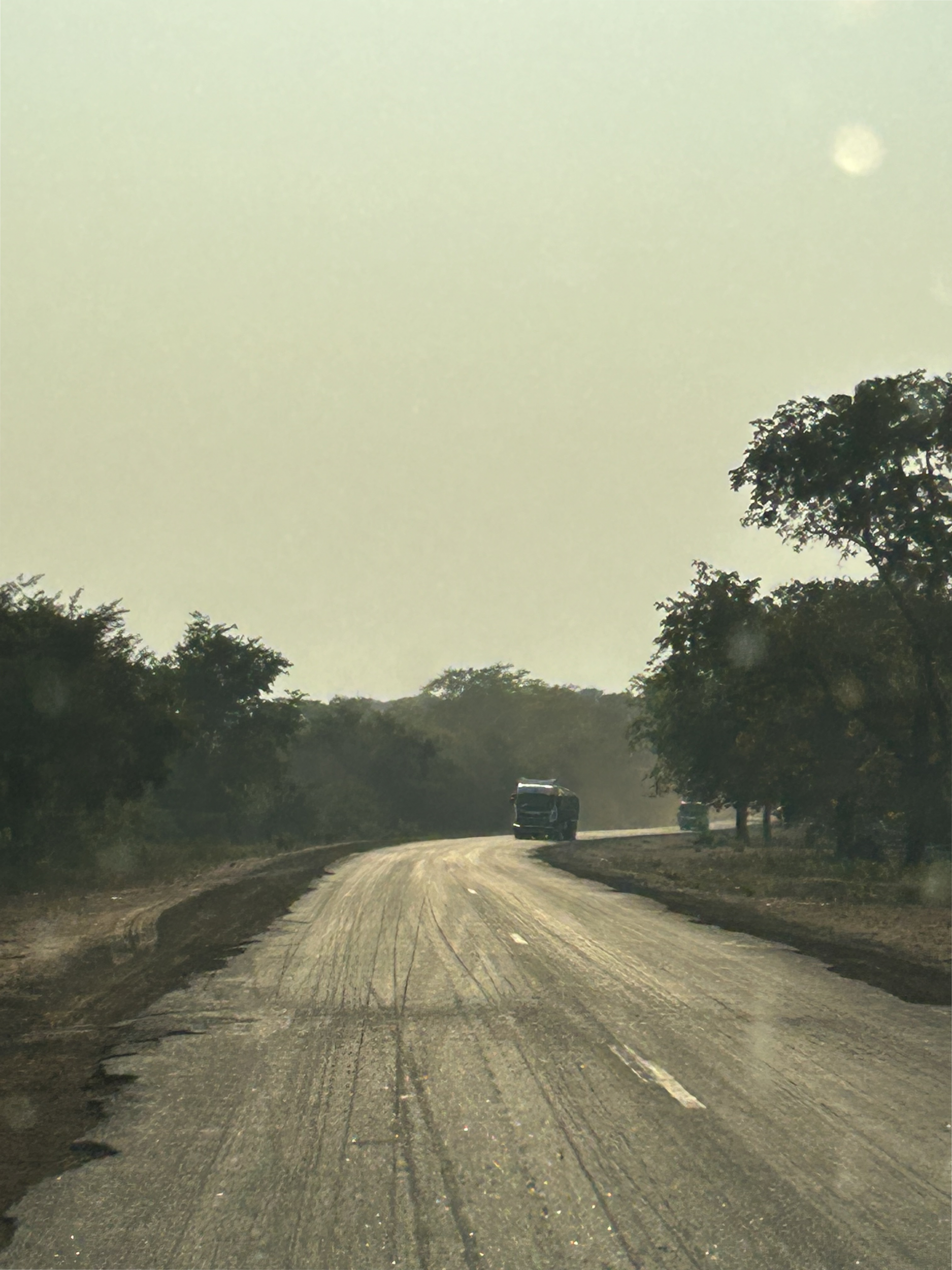
Photo by Jobb Arnold
While these interpretations draw on distinct spiritual traditions, they also reflect overlapping ways of understanding rainfall as shaped by relationships between people, the spiritual world, and the environment. Rather than existing as separate or opposing explanations, these perspectives often coexist in lived experience, even as they emphasize different forms of responsibility and response.
At first glance, these accounts of drought may seem somewhat removed from the science of climate change. However, as I have suggested above, scientific analysis is itself complex and does not eliminate the importance of other ways of understanding environmental change. At times, scientific data can also feel somewhat removed from the lived realities of the land and of the people seeking to restore balance with it.
Taken together, these different ways of knowing highlight the deep ecological, cultural, and psychological interdependence that shapes land-based realities in each community. But what do these interpretations of drought and rainfall mean for psychosocial well-being and climate adaptation? Returning to the three features of psychosocial well-being—understanding, manageability, and meaningfulness—helps highlight key dimensions of adaptation that should be recognized and supported.
Understanding
First, differences in how changing rainfall patterns are understood matter because having a framework to make sense of change (and what can seem like an unpredictable future) can be psychologically grounding and stabilizing. It means recognizing that no one—not even climate scientists—has a monopoly on truth, or on the ways knowledge is formed and embodied across different contexts.
At the same time, differing worldviews can become a source of division within communities, and these tensions can undermine cooperation, reducing collective capacity to adapt. LINCZ project activities aim to focus on solutions that can be taken up across these differences. For such efforts to be effective, they need to resonate with the range of belief systems involved, so that cooperation can be sustained in responding to the land-based challenges of daily life in rural Zimbabwe.
Manageability
Manageability is another key component to consider when thinking about psychosocial adaptation. Simply put, life becomes more manageable when people are able to rely on relationships with others who understand them and with whom they feel a sense of connection. Social connectedness through family, faith, and community is essential for trust, care, and belonging to take root. These connections also support people in navigating difficult experiences and enable communities to persevere during challenging times.
In LINCZ-engaged communities, participation in church life, traditional ceremonies, and community-based volunteer efforts are all important ways of strengthening the collective capacities needed to adapt to changing environmental conditions while maintaining social cohesion.
Meaningfulness
Finally, the ability to find meaning in life is a central source of psychosocial well-being. Maintaining connections to what gives life meaning can take many forms, including spiritual faith, relationships with friends and family, and a sense of connection with the land itself. Meaning can serve as an important buffer against feelings of despair and hopelessness. In the face of drought, food insecurity, and water scarcity, having a shared sense of meaning becomes a powerful resource for maintaining psychological well-being. When I asked one farmer in Mwenezi what gave them hope for the future, she told me that their hope was in the land and farming. For another farmer in Gwanda, he said that he felt hopeful when he could raise the school fees so that his kids could continue to pursue their education and have more opportunities in life. In such cases it was the love and care found in day-to-day relationship that sustained communities through the hard times. Having met with many LINCZ partners and farming communities, I was left with no doubt that people are deeply engaged in meaningful lives, and that their passion and hopefulness are among their most precious resources.
In conclusion, the LINCZ project is distinctive in the way it brings together research and practice while engaging directly with rural farming communities. The climate challenges are not going away, but there is a growing capacity to respond to them, and new interfaces are emerging between people, technologies, and different ways of knowing and perceiving the world. This is a meaningful development, one that is contributing to stronger relationships, more responsive local networks, and ongoing connections between Zimbabwean and Canadian partners. I look forward to continuing to take part in the work of LINCZ and to supporting what is already being cultivated through these relationships as this work moves forward.