
Birding in Zimbabwe: Encountering the unexpected
By Asher Warkentin, Research Assistant to Dr. Rachel Krause
Zimbabwe is a naturalist's dream, with remarkable biodiversity in every direction. Thorny vegetation dominates much of the landscape, but it is alive with birds, insects, and wildlife. For someone interested in the natural world, it is a place where even a short walk can reveal something unexpected. On many birding trips, birders focus on well-known "hotspots." While this can be an effective way to maximize the number of species seen in a limited time, it can also lead to a more target-driven approach, where attention is focused mainly on the species expected at a given location rather than being open to unexpected encounters. As an avid birder, the prospect of visiting Zimbabwe was especially exciting, not just for the chance to see unfamiliar bird species, but for the unexpected encounters each day might bring.
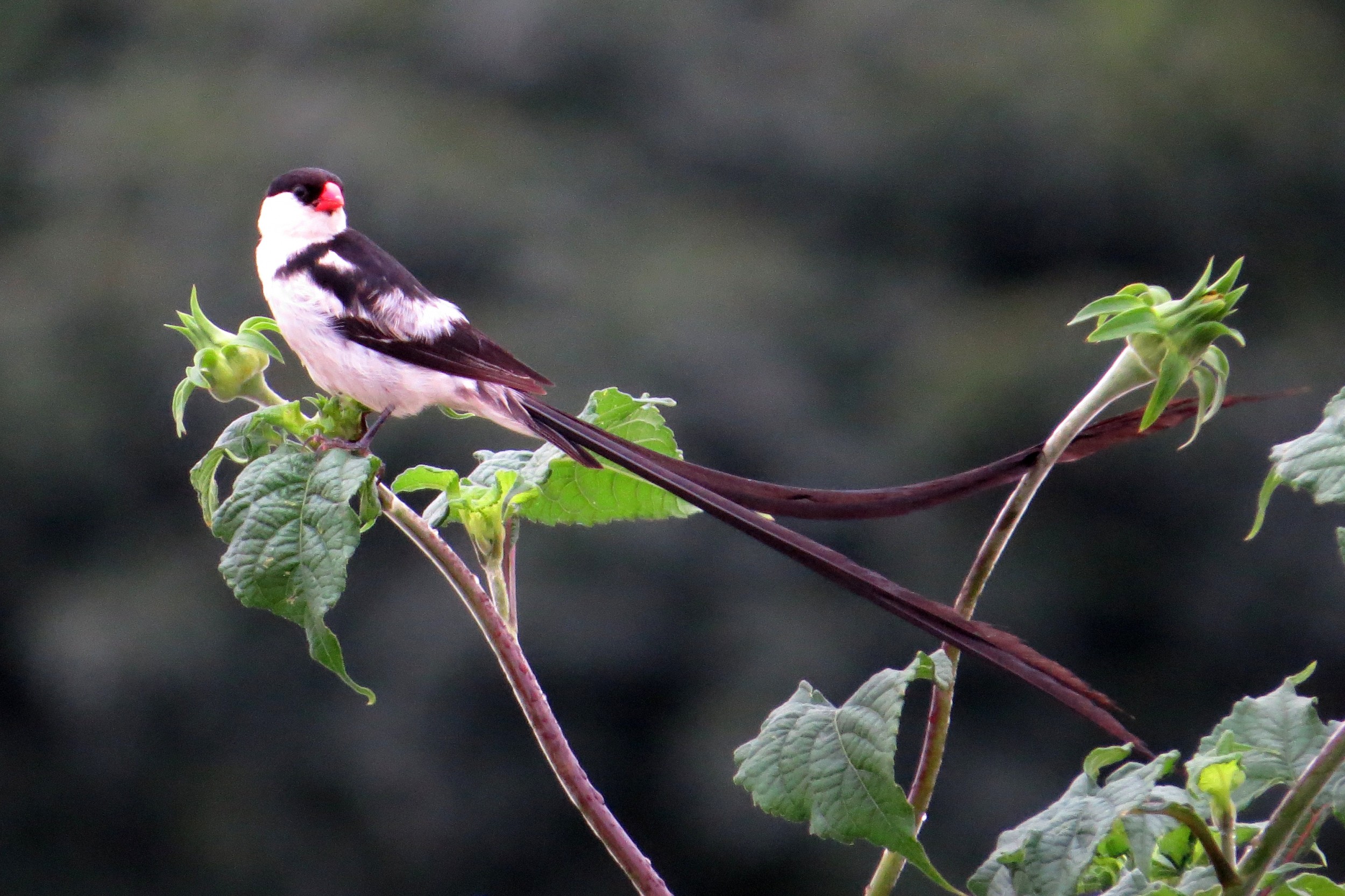
Photo 1: Pin-tailed Whydah: one of many remarkable birds that ended up being constant companions throughout the trip.
What draws me to birding – and to being outdoors more broadly – is the sense of discovery. You can never fully predict what you will find. No matter how many times you visit a place, or how quiet it may seem at first glance, there is always the possibility of encountering something unexpected. That sense of discovery is what motivates me to spend as much time as possible outside exploring. Although I was in Zimbabwe not as a birder but as a research assistant supporting field research, birding became an especially meaningful part of the visit. Our itinerary took us through towns, farms, and communities that most visiting birders would never stop at. Because of this, I felt like I was going in blind, never quite sure what species I could expect to find in any given location, which made every observation feel even more exciting and novel.
During my three weeks in Zimbabwe, I tried to maximize every opportunity to be outdoors, experiencing and learning from landscapes that were entirely new to me. This often meant being up at sunrise, if only to spend half an hour exploring the grounds of our lodge. I was continually surprised by what I found: Cape Bunting and African Pied Wagtail in Mwenezi, Violet-eared Waxbill and African Black Duck in Gwanda, and Trumpeter Hornbill and African Green Pigeon in Binga – species I could never have predicted encountering in those settings. In fact, there was not a single day during the trip when I did not encounter at least one bird species I had never seen before, ending the trip having seen nearly 240 species of birds!
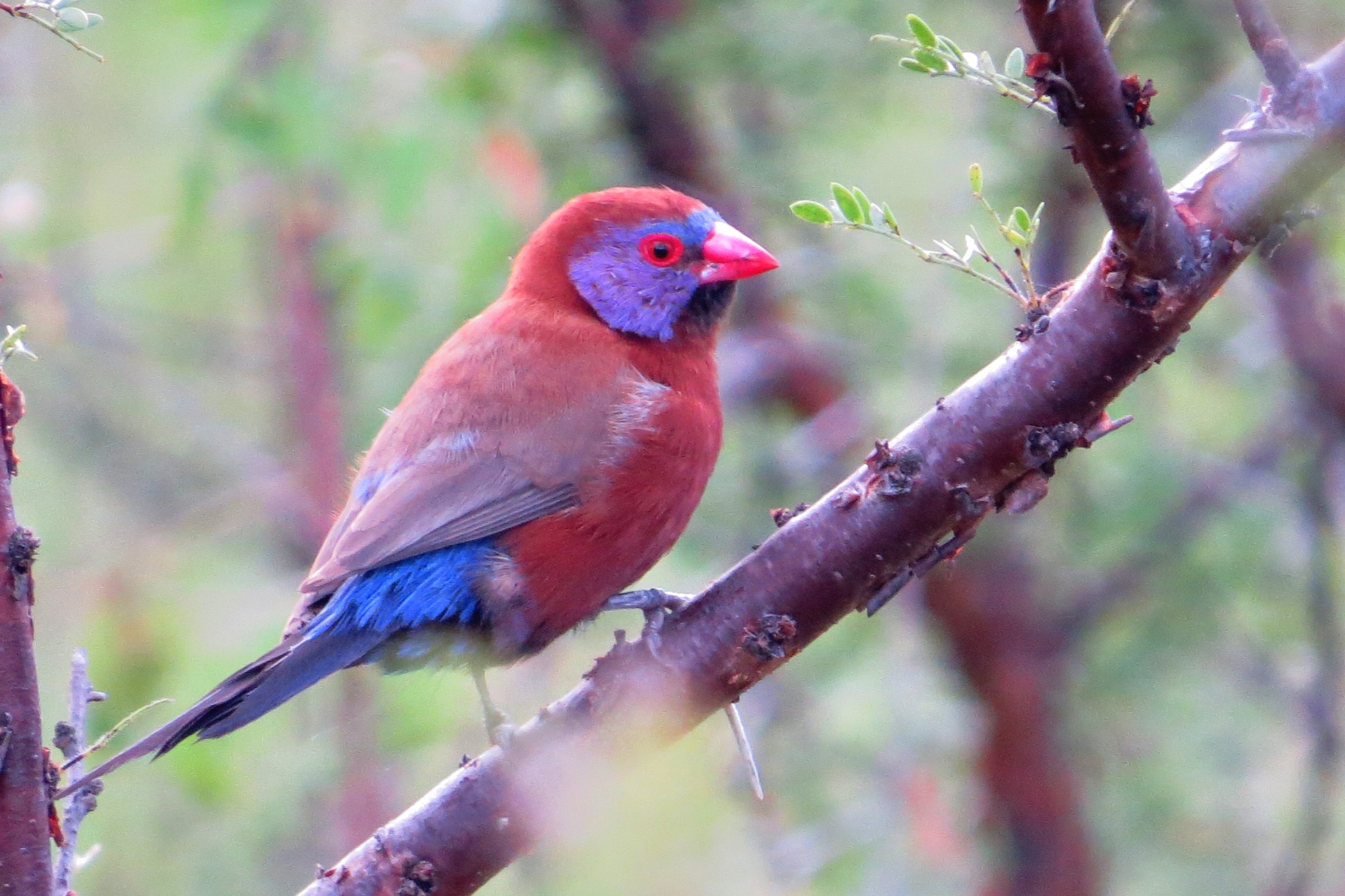
Photo 2: A stunning male Violet-eared Waxbill, encountered near our lodge in Gwanda.
One of my most unusual sightings came on a rest day in Bulawayo. While walking around at an old racetrack, I encountered a Corn Crake – a European-breeding species that inhabits rank grassland and winters in southern Africa. During the non-breeding season, Corn Crakes are non-vocal and highly secretive, making them rarely observed. My sighting was one of only a handful of records in the Bulawayo area! Moments after spotting the bird, the scene became even more memorable as a Common Slender Mongoose emerged onto the path and made a sudden dash at the crake!
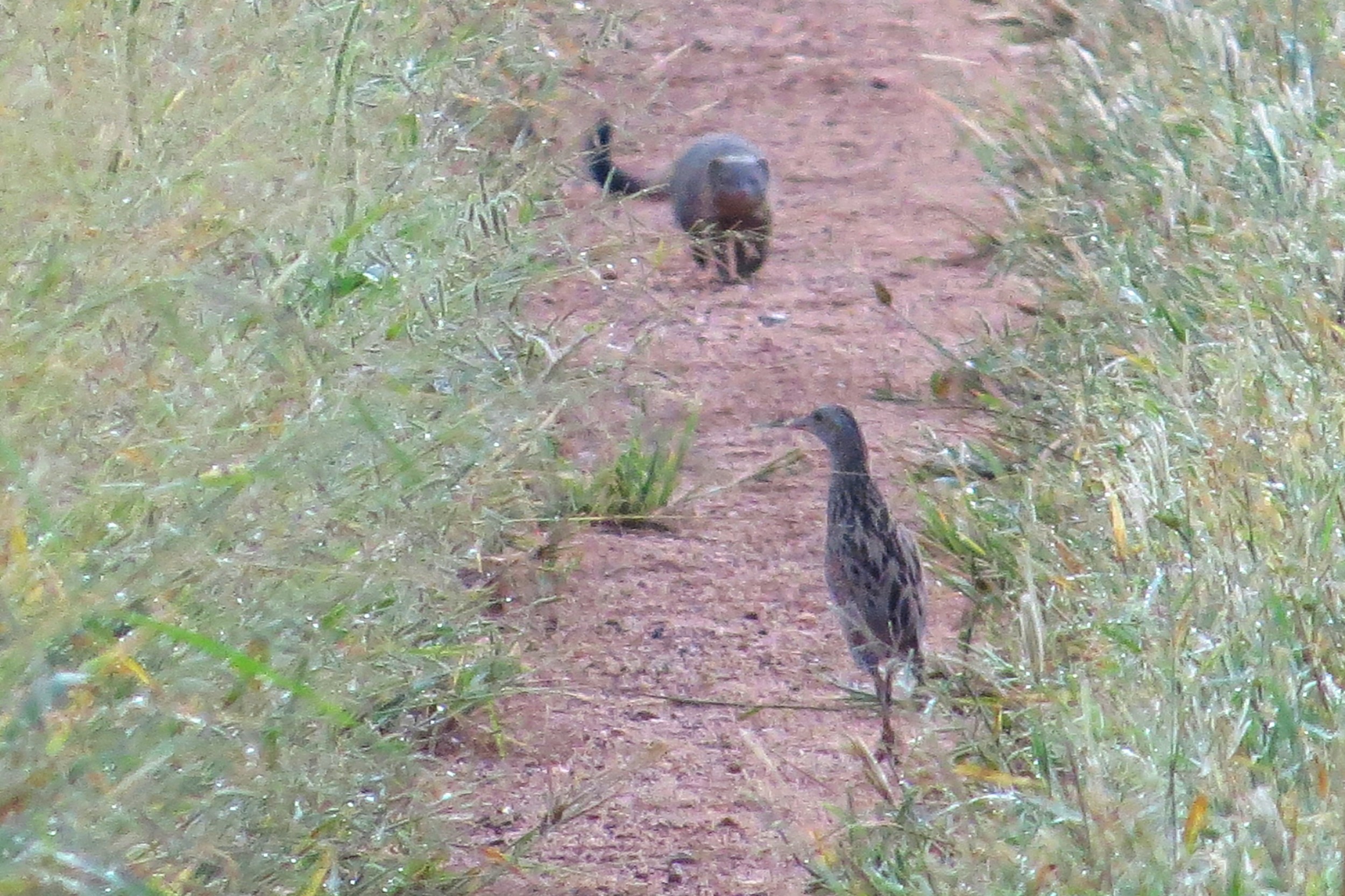
Photo 3: A Corn Crake and Common Slender Mongoose in Bulawayo.
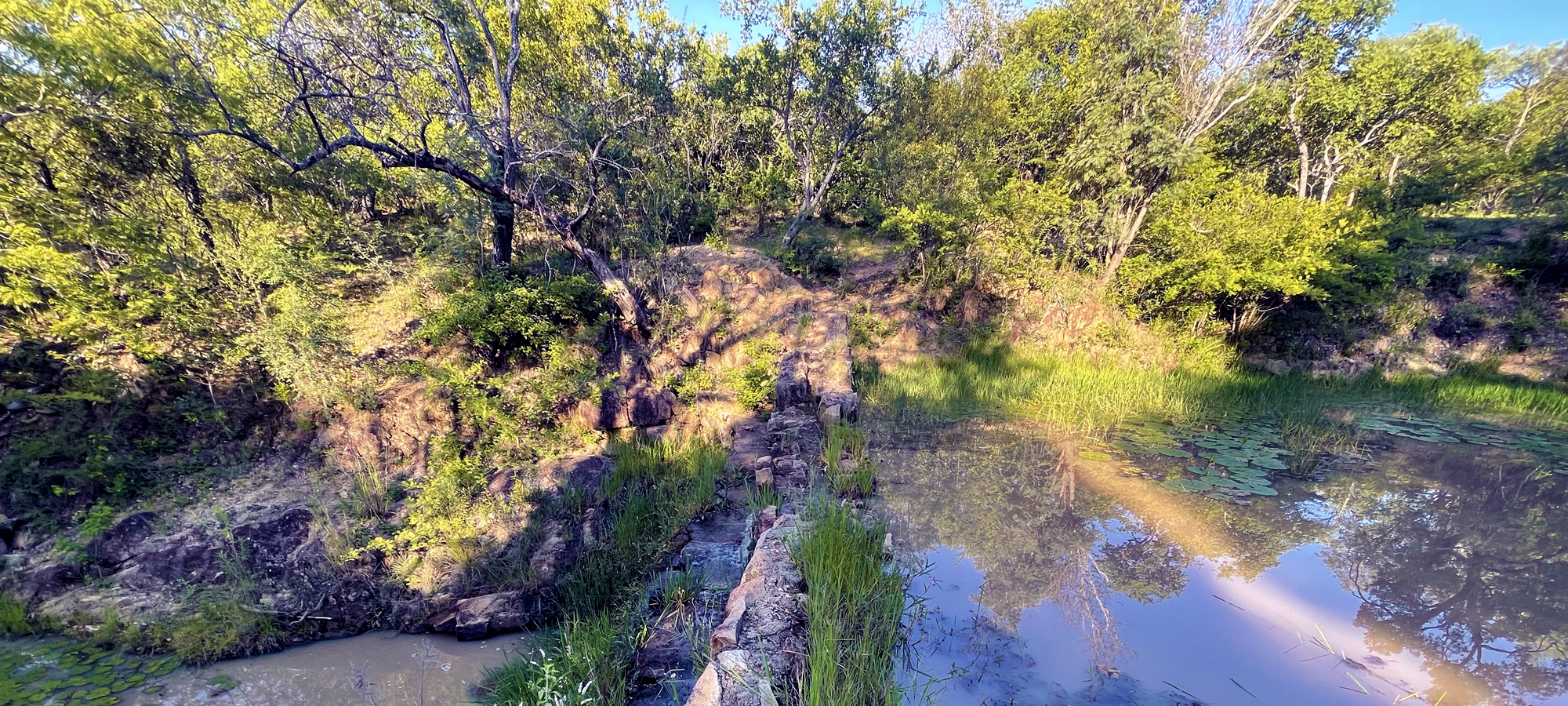
This sense of discovery was not limited to unexpected encounters with birds, but extended to the ecosystems we were studying. While sampling the Gaswa River in Gwanda District, my first sweep of the net brought up a couple of frogs – and, unexpectedly, several crabs. Although I knew freshwater crabs existed in Zimbabwe, I had not expected to encounter them during our sampling!
These wetland surveys were the primary reason for my visit, as part of a broader effort to understand how nature-based solutions are influencing biodiversity across the districts of Mwenezi, Gwanda, and Binga. Wetlands were a key focus, as they reflect the health of the surrounding landscape.
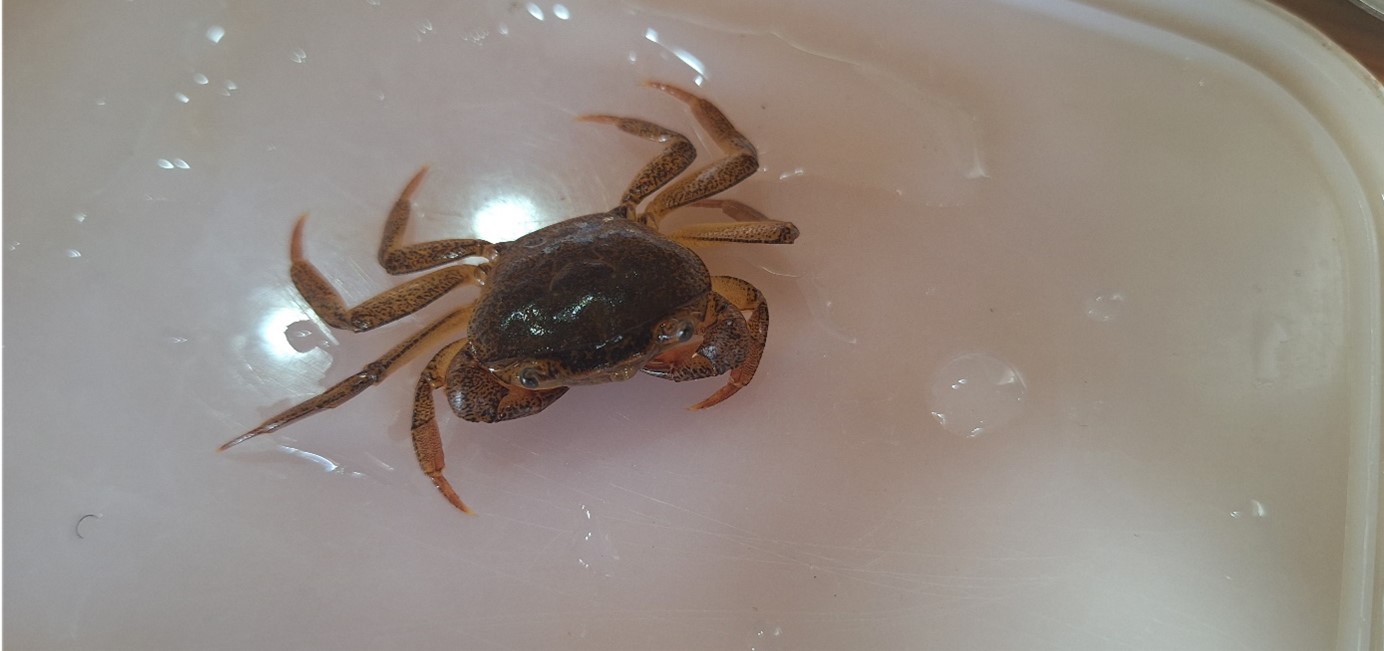
Photo 4: Freshwater crab (Potamonautes unispinus) found during our wetland survey in Gwanda district.
Our work focused on benthic macroinvertebrates, visible invertebrates living in river substrates, such as the larvae of dragonflies and other insects. These organisms serve as indicators of river health because different groups vary in their tolerance to disturbance. Some thrive in degraded conditions, while others are far more sensitive, allowing us to build a picture of ecosystem health based on which invertebrates we found in a river.
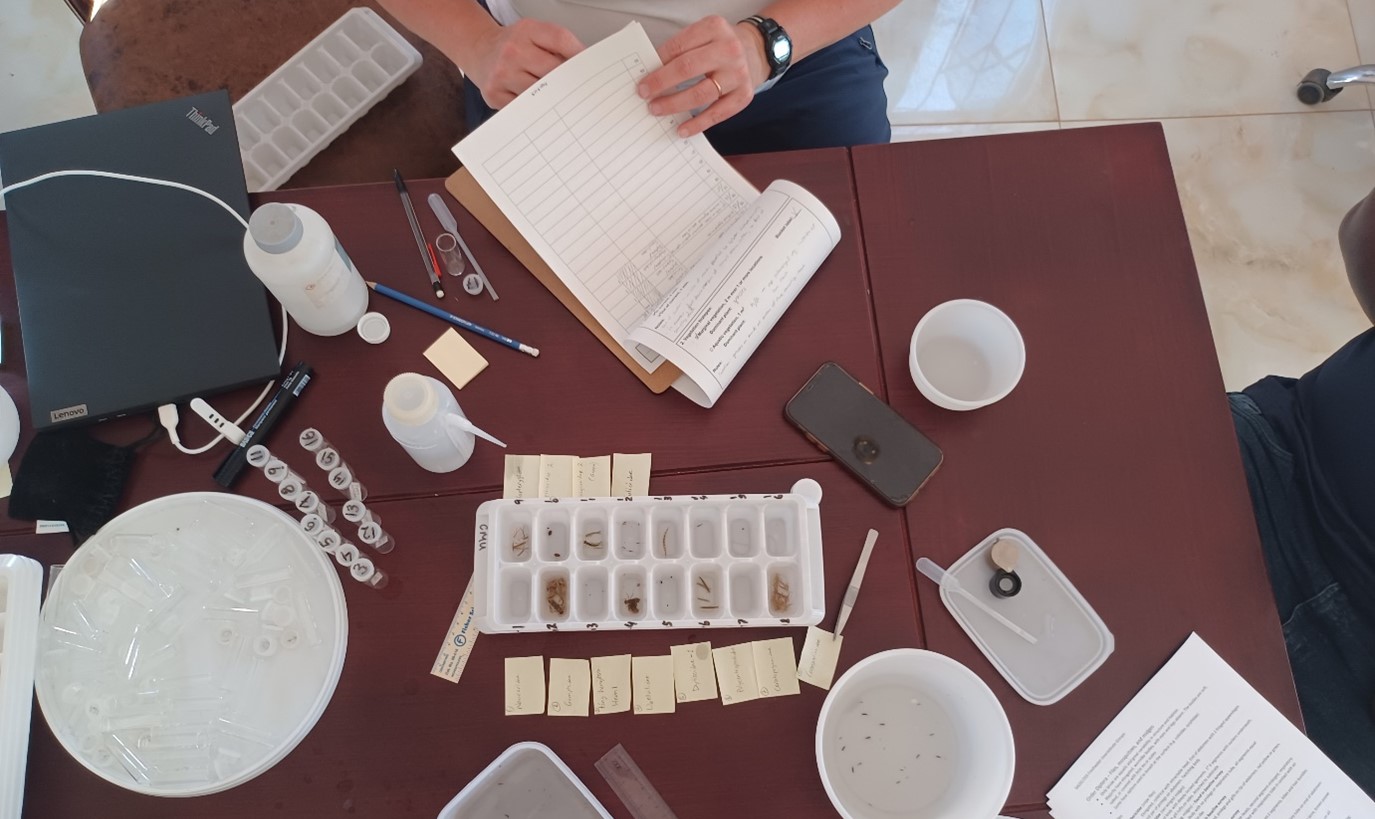
Photo 5: Sorting invertebrates collected during our wetland survey in Mwenezi district.
Even these more structured parts of the work carried the same sense of discovery that first drew me to birding, just on a different scale. Each biodiversity survey offered insight into how these ecosystems were functioning and changing. In areas undergoing restoration, such as those influenced by nature-based solutions through the LINCZ project, this often meant seeing signs of recovery, where increasing invertebrate diversity and abundance creates opportunities for birds and other wildlife to return and thrive.
In the end, it was this thread of discovery that tied the entire experience together. Whether watching a hornbill flap across the road, unexpectedly encountering a Corn Crake, or finding freshwater crabs, the same sense of curiosity and surprise carried through each day. Birding had been what first drew me into exploring these natural landscapes, but it also became a way of understanding them more deeply. It reminded me that meaningful observation, whether of birds, invertebrates, or entire ecosystems, begins with paying attention and remaining open to the unexpected. That is something I hope to carry forward: not just a list of species, but a way of seeing that keeps the sense of discovery alive, wherever I am.
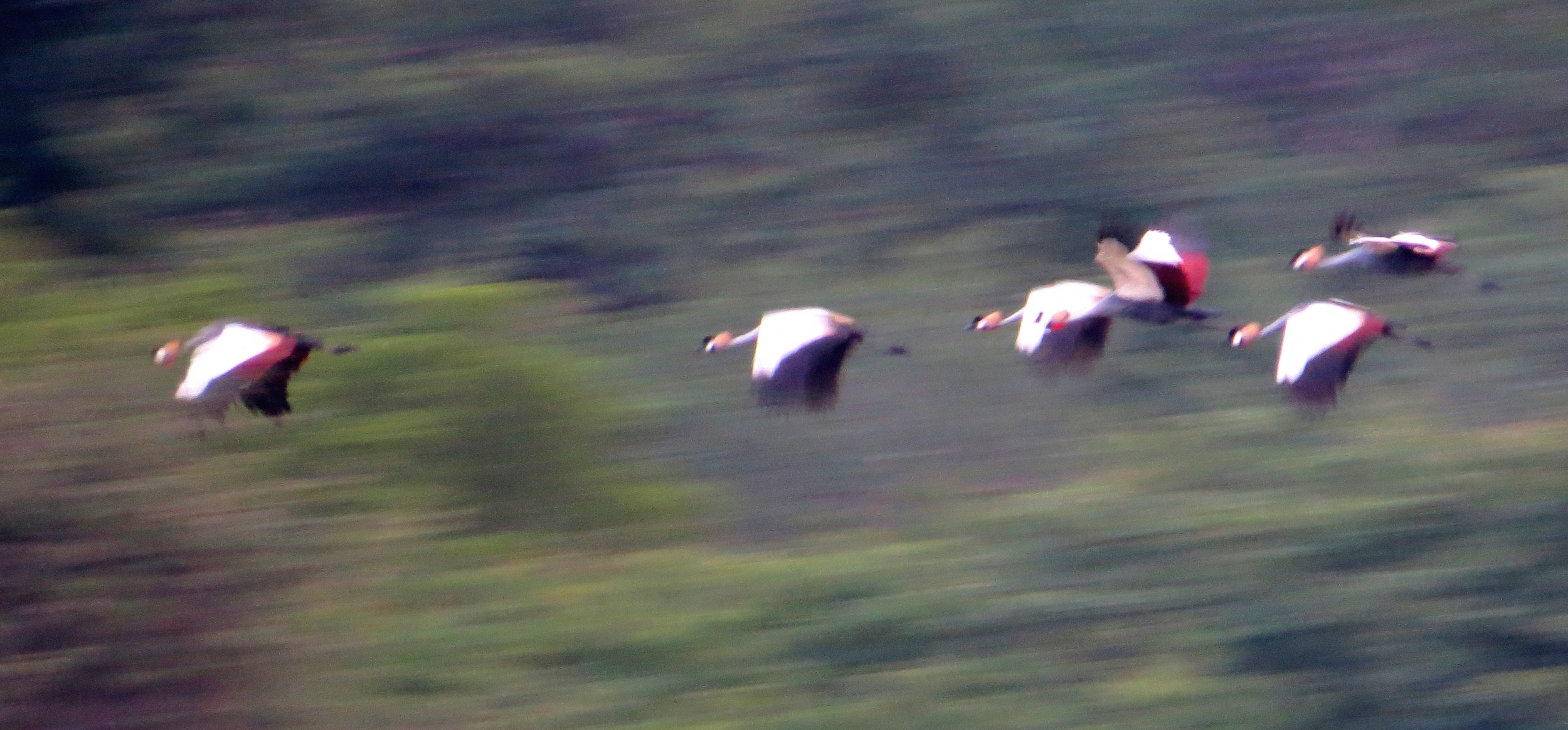
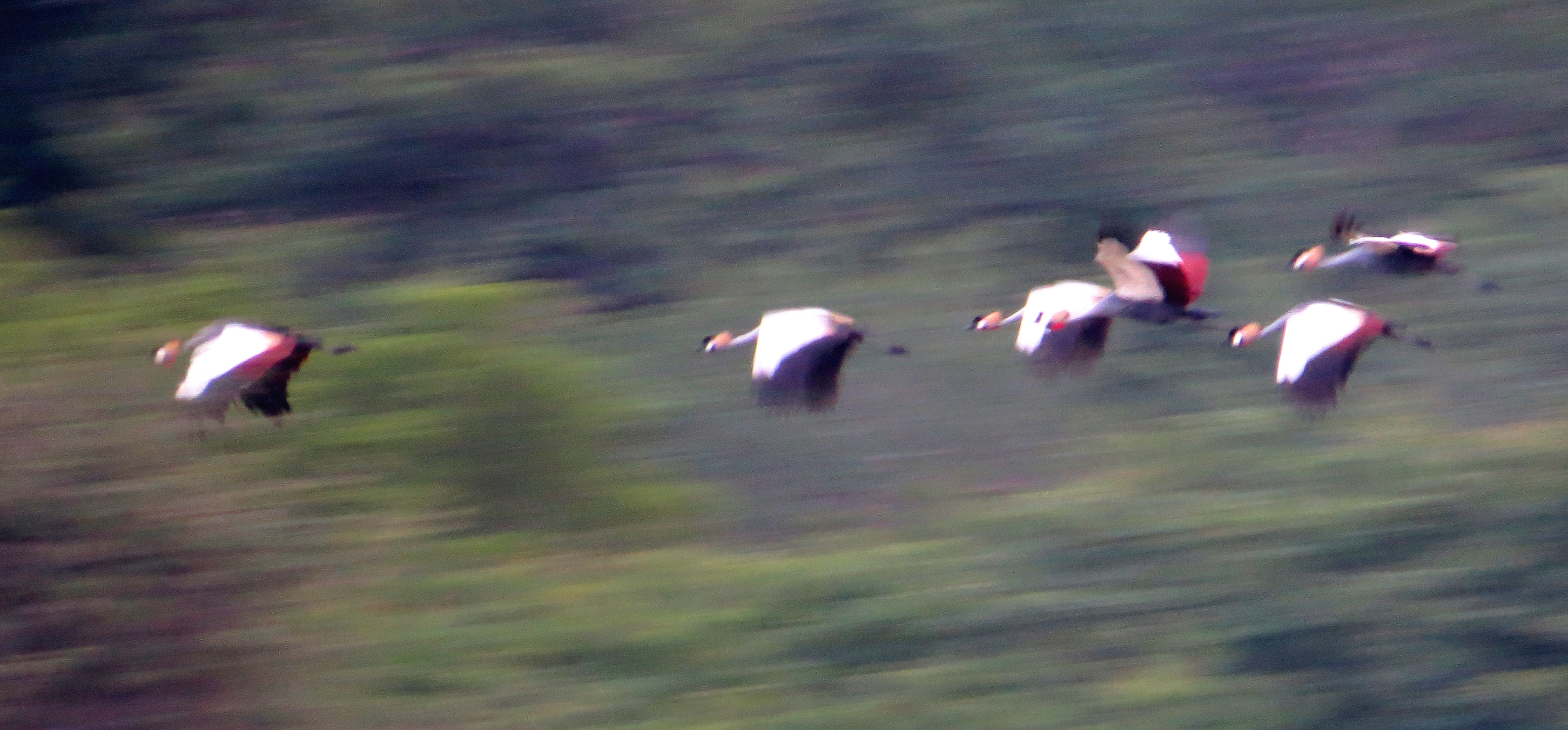
Photo 6: Gray-crowned Cranes flying to roost for the evening near Hwange National Park.
Bio
Asher Warkentin is a recent graduate from Canadian Mennonite University where he studied biology.
Asher was involved in LINCZ for the final two years of his degree, as a research assistant and for an independent study, in which he conducted biodiversity surveys for benthic macroinvertebrates in Zimbabwe with Dr. Rachel Krause.
Acknowledgements
My visit to Zimbabwe would not have been possible without the collaboration and support of many partners. I am deeply grateful to Mennonite Central Committee (MCC) Zimbabwe, the researchers from the Global Biodiversity Information Facility (GBIF) Zimbabwe and Bindura University, and the local partner organizations Score Against Poverty, Brethren in Christ Compassionate and Development Services, and Kulima Mbobumi Training Centre. Their logistical coordination, local knowledge, and ongoing work implementing nature-based solutions made the fieldwork both possible and meaningful.
 Print This Blog Post