

A widow, a warrior: championing climate change advocacy through the Women Coalition on Climate Chang
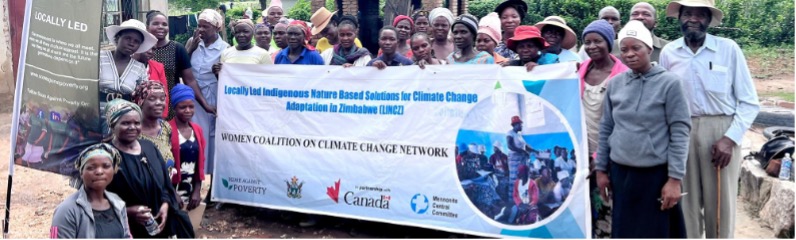
In the heart of Sehlulekile Village, Ward 10 of Mwenezi District, Zimbabwe, lives a 55-year-old widow named Sikholiwe Mangena, a widow whose life story is a testimony of courage, transformation and resilience in the face of climate change. When she began participating in Locally Led Indigenous Nature-based Solutions for Climate Change Adaptation in Zimbabwe (LINCZ) project activities in 2024, Sikholiwe was struggling with poverty, chronic food insecurity, and the effects of environmental degradation. Today, she has become a beacon of hope and a respected community leader, championing climate advocacy and inspiring others to adopt sustainable livelihoods.
Before engaging with the LINCZ project, Sikholiwe's days were defined by hardship. She was raising two children and six grandchildren on her own amid worsening droughts and increasingly erratic weather patterns. As firewood became harder to find, she walked nearly 10 kilometers each day to collect it, often returning home exhausted.
Despite the long journey, she still relied on firewood for cooking, exposing her and her family to smoke that affected their health. Her land was degraded, her resources were scarce, and her voice went unheard in community decision- making spaces traditionally dominated by men. As a widow, she faced additional barriers to participation and was often excluded from decisions that affected her household and community.
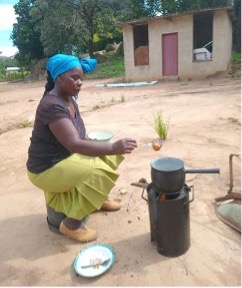
Sikholiwe Mangena cooking with a fuel efficient stove, Score Against Poverty, 2024
Through the LINCZ project, Sikholiwe received a fuel-efficient stove that significantly reduced her household's firewood consumption, cooking time, and exposure to indoor air pollution. Since adopting the technology, her firewood use has decreased by 20 bundles per week, saving her approximately 15 hours every week that would have been spent collecting firewood in the past. The reduced cooking time has also allowed her to spend more time tending her garden, caring for her family, and pursuing income-generating activities.
"Now I cook faster, use less firewood and my children and grandchildren breathe cleaner air in the kitchen."
Sikholiwe Mangena
Together with other women in the Women Coalition on Climate Change Network (WCCCN), Sikholiwe now uses the fuel efficient stove to make and sell samosas at a nearby school, earning approximately $20 USD to $25 USD per month.
The knowledge, skills, and opportunities she gained through LINCZ have also strengthened her role as a community leader. Today, she serves as a Score Against Poverty (SCORE) Lead Farmer, Gender Champion, and district leader for WCCCN.
"LINCZ gave me tools, knowledge and purpose. I used to be a struggling widow. Now, I am a community leader, a voice for climate justice and a woman with a vision."
Sikholiwe Mangena
Sikholiwe also received trained in agroforestry and tree planting through LINCZ. As part of the initiative, she received 20 indigenous fruit trees, including mumvee or "munzveva" in Shona, and mango, which she planted around her homestead. These trees were among 9,500 trees distributed across Mwenezi district through LINCZ.
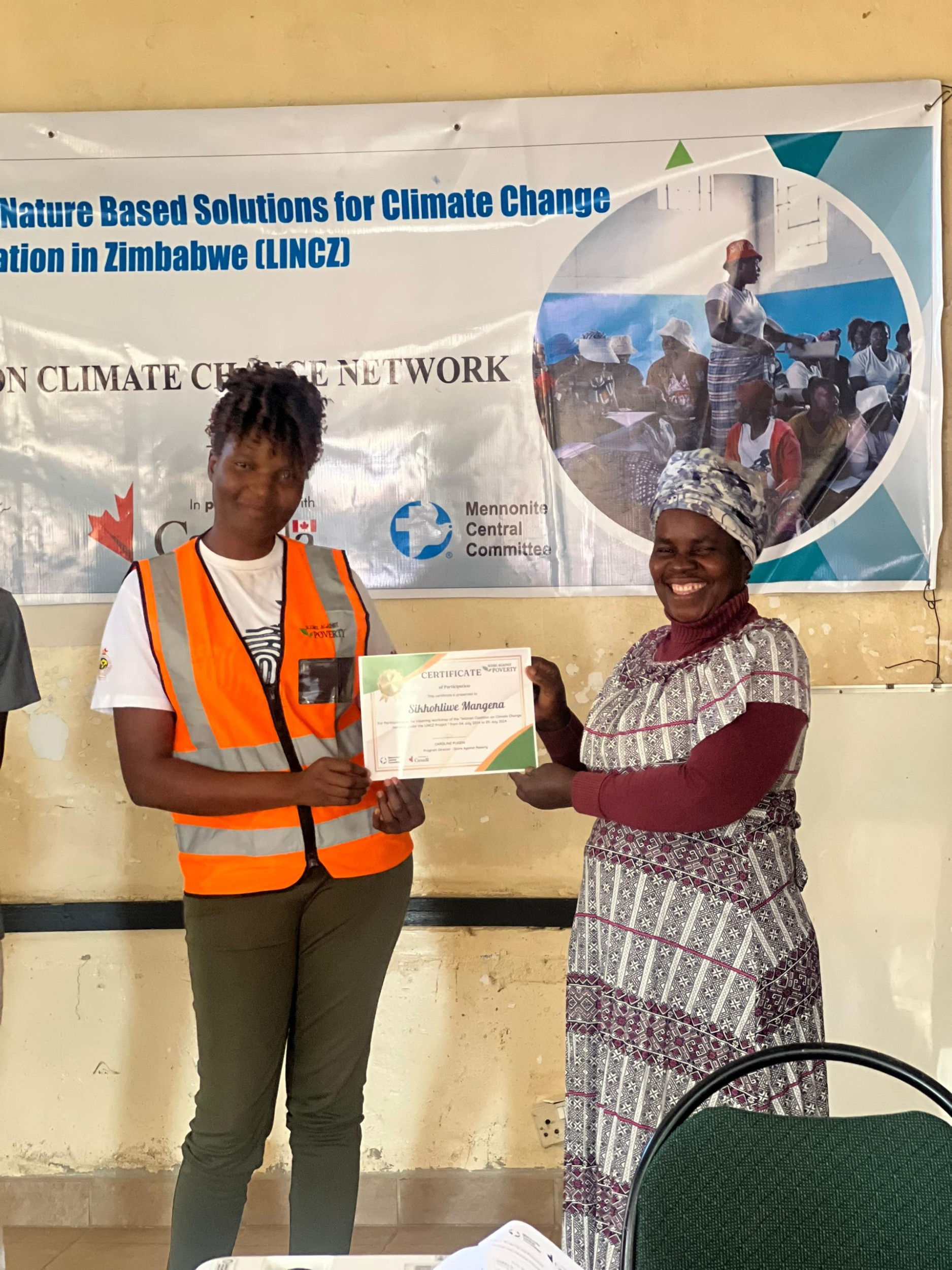
Cynthia Mutsindikwa (left) handing over the Women Coalition on Climate Change Network Certificate to Sikholiwe Mangena (right) at the Visioning Workshop of the Women Coalition on Climate Change Network, 2024.
Drawing on training received through LINCZ and WCCCN, she has incorporated Indigenous Knowledge Systems (IKS), including organic mulching, ash-based termite control, and water-harvesting techniques, into her farming practices.
Her impact extends beyond her own household. Recognized for her leadership and commitment, Sikholiwe was trained in the Gender Action Learning System (GALS) and now supports peer learning in her community.
Using tools such as the Visioning Journey and Challenge Action Tree, she promotes more equitable decision-making and shared responsibilities in climate adaptation.
Today, Sikholiwe leads by example. She encourages other widows, young women, and men to participate in Village Saving and Lending (VSL) groups, where members save, invest in poultry production, and develop small businesses such as dried vegetable enterprises.
Looking ahead, Sikholiwe dreams of expanding her agroforestry activities into a small-scale enterprise, mentor more young women in IKS, and continue advocating for climate adaptation solutions that respond to the needs of rural women. Her voice is now recognized in community planning meetings, where she insists that no women should be left behind in climate action.
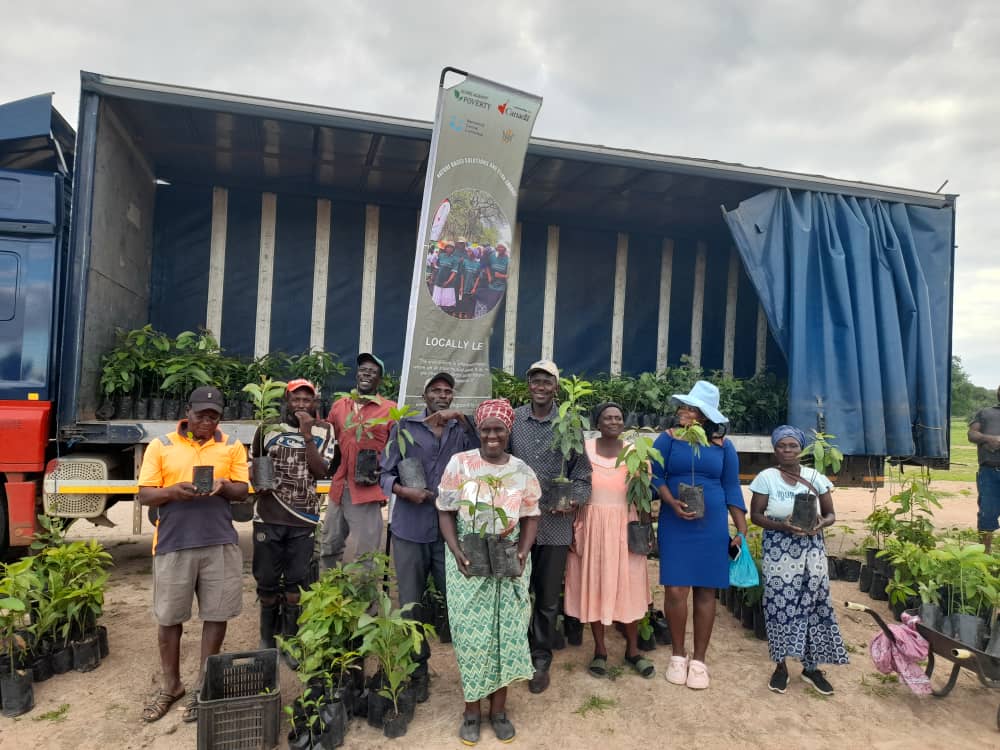
Ward 10 Farmers receiving trees in 2024, Score Against Poverty, 2024
 Print This Blog Post