

Sharing Stories, Shaping Solutions: MHC Gallery to showcase two Zimbabwean artists
In celebration of the Sharing Stories, Shaping Solutions: Community Climate Resilience in Sub-Saharan Africa conference taking place at Canadian Mennonite University in October 2026, MHC Gallery has partnered with the CMU and the LINCZ project to feature an exhibition of contemporary Zimbabwe art.
MHC Gallery has worked in collaboration with First Floor Gallery in Harare to present work by two contemporary artists:
Read More
Birding in Zimbabwe: Encountering the unexpected
By Asher Warkentin, Research Assistant to Dr. Rachel Krause
Zimbabwe is a naturalist's dream, with remarkable biodiversity in every direction. Thorny vegetation dominates much of the landscape, but it is alive with birds, insects, and wildlife. For someone interested in the natural world, it is a place where even a short walk can reveal something unexpected. On many birding trips, birders focus on well-known "hotspots." While this can be an effective way to maximize the number of species seen in a limited time, it can also lead to a more target-driven approach, where attention is focused mainly on the species expected at a given location rather than being open to unexpected encounters. As an avid birder, the prospect of visiting Zimbabwe was especially exciting, not just for the chance to see unfamiliar bird species, but for the unexpected encounters each day might bring.
Read More
Healing the land, empowering communities: How gully reclamation is transforming Mwenezi
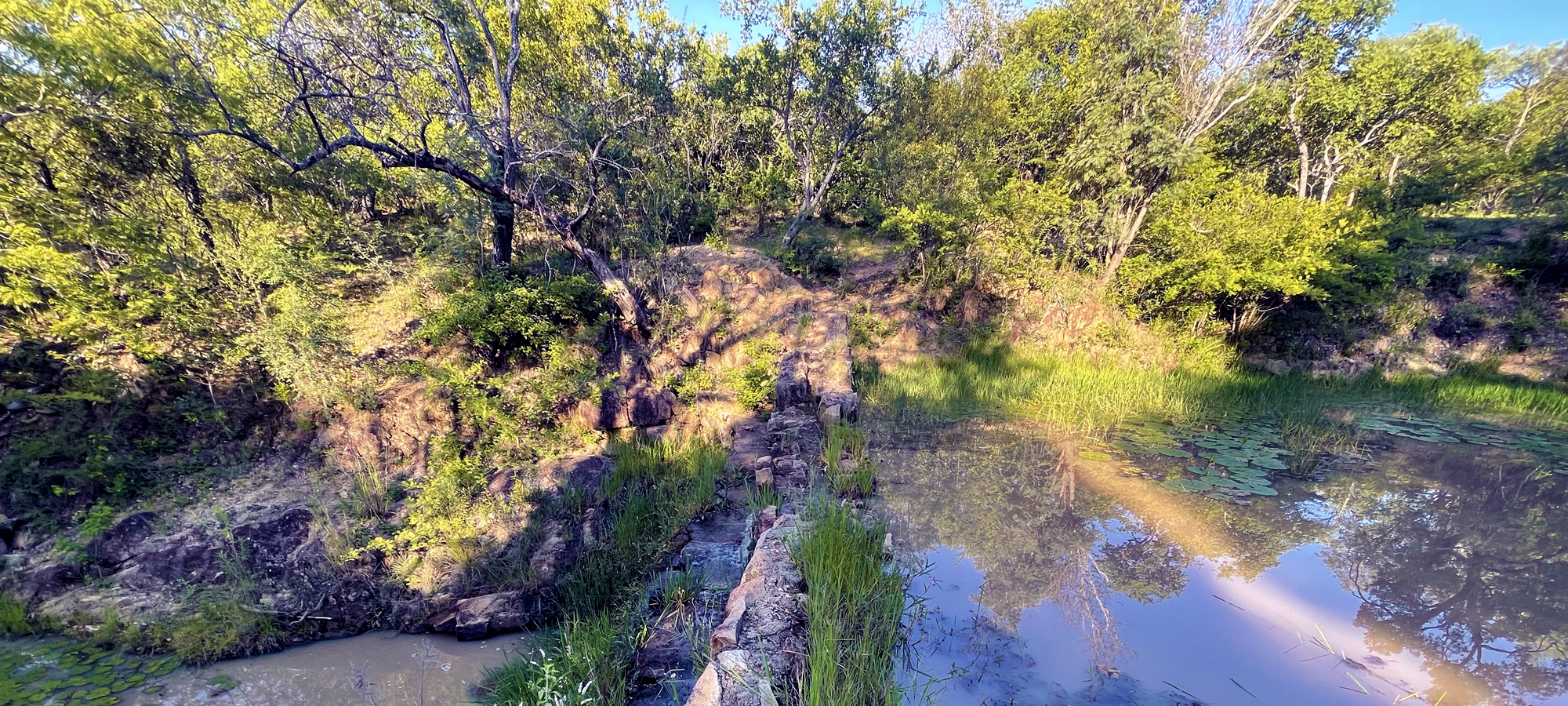
Mwenezi District is characterized by soils that easily break down and wash away, which has resulted in formation of deep gullies (pictured below) and sedimentation of water bodies. The scale of the problem is evident in the loss of critical water infrastructure. At least 23 earth dams constructed to harvest and store seasonal rainfall runoff have already become non-functional due to siltation, while many others remain at risk. These dams play a vital role in supporting rural livelihoods by providing water for livestock, small-scale irrigation, and domestic use, particularly during the long dry periods that characterize the district. The gullies cut through grazing areas, reducing available pasture, which negatively affects livestock production, washing away croplands, and endangering homesteads. The Locally led Indigenous Nature Based Solutions for Climate Change Adaptation in Zimbabwe (LINCZ) Project championed a community-driven gully reclamation initiative across six wards, restoring degraded ecosystems while empowering local communities through inclusive, participatory action.
Read More
What we know shapes what we can do: Psychosocial adaptation to environmental change in Zimbabwe
By Jobb Dixon Arnold, Ph.D., Associate Professor of Psychology and Conflict Resolution Studies
Zimbabwe was hit hard by extreme drought in 2024, just as LINCZ project activities were getting underway. The drought brought severe heat waves and the lowest recorded rainfall in more than 40 years, which prompted the government to declare a national state of emergency. During early research visits to Binga, Gwanda, and Mwenezi districts, it became clear that the impacts of the drought were devastating.
Read More
Dwindling natural safety nets: the impact of mopane worm decline on food security and livelihoods
By Ntuthuko Ngwenya (MCC Zimbabwe)
The "butterfly" lifeline
In the parched landscapes of Gwanda and Mwenezi, where the dry soils of southern Zimbabwe meet an unforgiving sun, one tree stands as a silent guardian of survival: Colophospermum mopane. Commonly known in English as mopane, this native tree with distinctive butterfly-shaped leaves is not merely a national botanical feature; it is a "natural safety net" for thousands of households.
Read More Print This Page