

LINCZ Project Commemorates 16 Days of Activism Against Gender-based Violence
Gamuchirai Bidi (MCC-LINCZ GESI Officer), Agree Dube (MCC-LINCZ Program Manager) and Amy Martens (MCC -Climate Change Adaptation Program Lead) highlight how the LINCZ Project commemorated the 2025 16 Days of Activism Against Gender-based Violence (GBV) campaign by the United Nations, aligning global advocacy with local climate change adaptation efforts in Zimbabwe.
Through community marches, partner gatherings, multilingual awareness campaigns, and technology-enabled initiatives, the project reinforced its commitment to ending GBV while advancing gender equality as a cornerstone of sustainable climate action. By integrating gender equity into nature-based solutions and year-round programming, LINCZ demonstrates that building climate resilience must go hand in hand with creating safe, inclusive, and just communities
Read More
Ethical challenges in the practice of remote sensing
The below article discusses how geospatial products derived from remote sensing, especially satellite imagery, can bring significant benefits but also raise ethical challenges, particularly when they involve local communities and sensitive information. The use of these geotechnologies (such as satellite imagery, the Global Positioning System – GPS, and spatial models) is directly related to the work I have been developing within the LINCZ Project.
Read More
When a Name Becomes a Song: experiencing LINCZ through music and collaboration
As the "Locally Led Indigenous Nature-based Solutions for Climate Change Adaptation in Zimbabwe" project has unfolded across communities and districts, its long name has become a familiar part of everyday conversation. During a communications visit to Zimbabwe in December 2024, a light-hearted song emerged as a fun way to remember the full project name. This music video brings together moments from the project, featuring partners and participants who generously shared their time and presence.
Read More
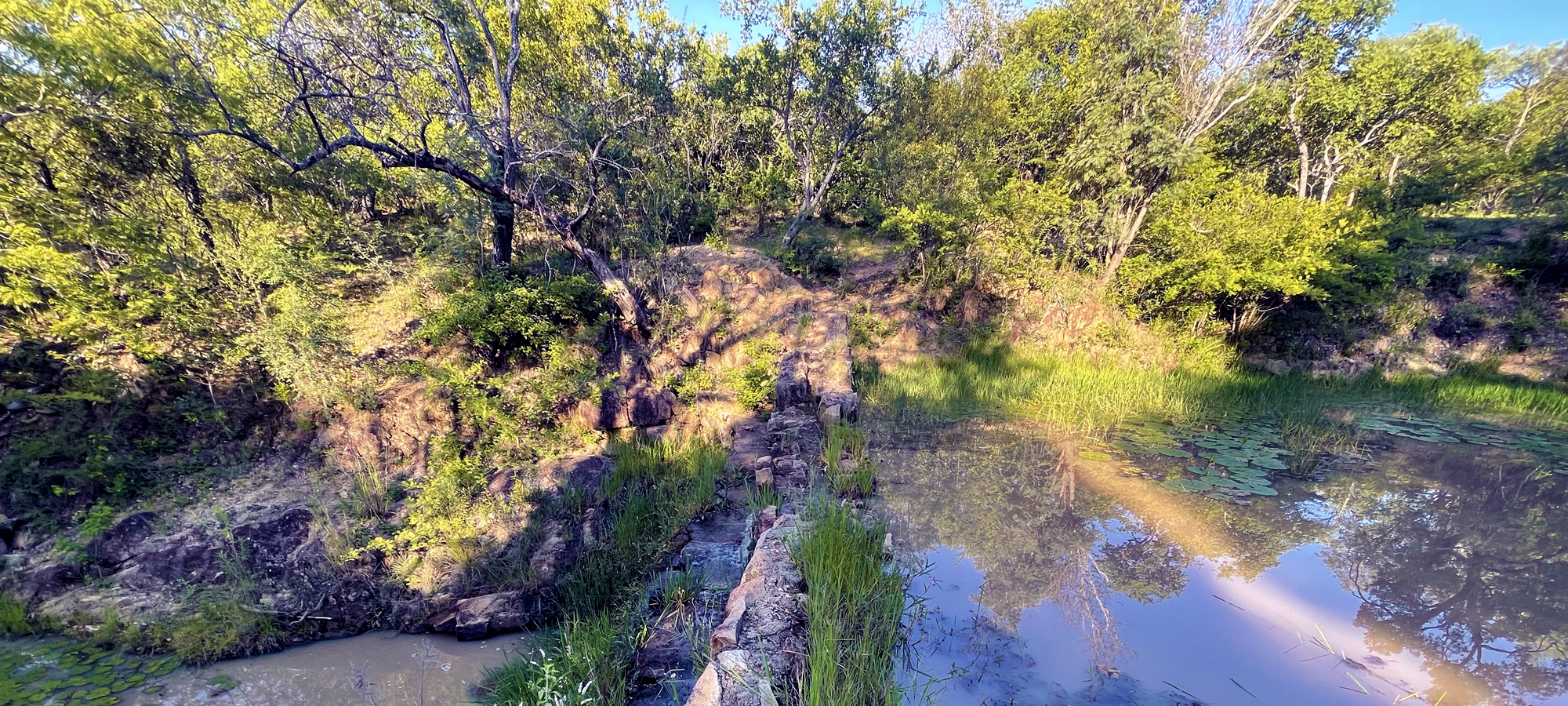
Fragile Boundaries: Wetland Restoration in a Warming Zimbabwe
Why do wetlands matter?
Read Tim Rogasky's article below to learn about the importance of wetlands, the challenges faced in Zimbabwe, how the LINCZ project seeks to bring Zimbabwe wetlands back to health, and the signs of hope that climate data shows.
"Our research joins this effort at a preliminary stage. Before families are asked to move and rehabilitation begins, we must ask: will a changing climate even permit these wetlands to recover? Their viability depends on thresholds shaped by rainfall and temperature. Consistent precipitation replenishes the water table, the underground reservoir that keeps wetlands alive even through dry spells. If that cycle is broken – if rains become too scarce or too erratic – restoration may prove impossible. Yet when we turned to the climate data, the picture was not entirely bleak. The evidence on precipitation offers a surprising measure of hope."
Read More
Digging into Climate Adaptation Research through LINCZ
Written by Kara LeBlanc
Over the past year I have been creating a podcast series to share the research being carried out by faculty at Canadian Mennonite University (CMU) as part of the LINCZ project. Before sharing what I learned with listeners, I first had to understand the work myself. I recently graduated from CMU where I studied communications and media. Although my courses were diverse and covered many areas, the discovery that fields like psychology or peacebuilding relate deeply to climate change didn't come until this year. Meeting with the seven CMU faculty researchers gave me an understanding of their roles in the LINCZ project and what their research looks like in practice.
Read More Print This Page